
Electric bikes, or e-bikes, are revolutionising transportation by combining traditional cycling with modern technology. They’re versatile vehicles that cater to diverse needs, from urban commuting to rugged trails, while adhering to Australian legal standards. It’s important to understand the various types, battery dynamics, and essential maintenance tips that make e-bikes a compelling choice for eco-conscious riders.
Understanding Electric Bikes
Electric bikes, commonly known as e-bikes, are traditional bicycles enhanced with an integrated electric motor and battery system. These bikes primarily operate as pedal-assist vehicles, meaning the motor engages only when the rider is pedalling, providing a boost that makes cycling easier and more efficient (source). This feature allows riders to travel longer distances with less effort, making cycling more accessible to a wider audience (source).
Types of Electric Bikes
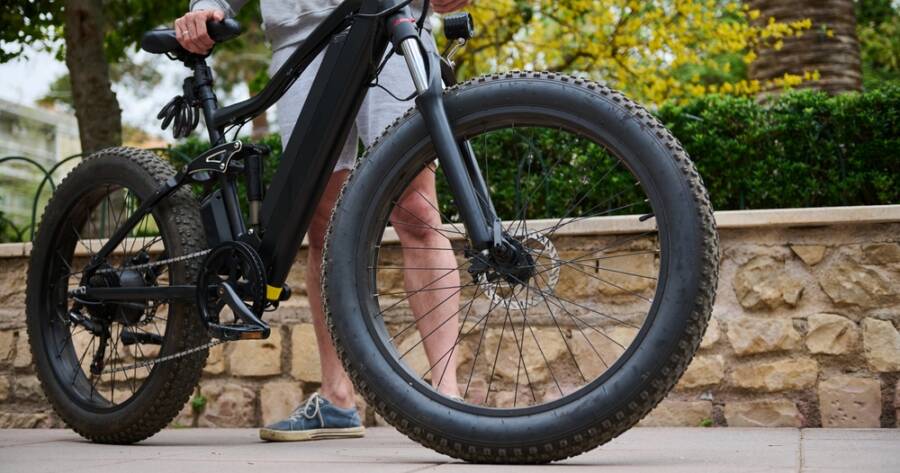
Electric bikes come in various styles tailored for specific purposes. Commuter bikes, such as the Smartmotion MidCity, are designed for urban environments, while mountain bikes like the Smartmotion Hypersonic Neo are built for trails. Foldable models, such as the Smartmotion E20, offer portability, making them ideal for those with limited storage space or frequent travellers. Fat tyre bikes, like the Fatfish, are designed for off-road exploration, providing superior grip and stability on challenging terrains (source).
Legal Regulations in Australia
In Australia, e-bikes are classified as bicycles if they have a motor with a maximum continuous power rating of 250 Watts, and the power cuts off at 25 km/h. This classification means no special license or registration is required, allowing riders to use bike paths legally (source). However, exceeding 25 km/h reclassifies an e-bike as a road vehicle, subject to different legal requirements. Regulations include helmet use, visibility enhancements, and avoiding alcohol while riding (source).
Battery Life and Range
The battery is crucial for an electric bike’s performance, with range depending on usage and assistance levels. Most batteries last over a thousand discharges, and some models offer range extenders or supplementary batteries for longer rides (source). Charging times range from 3 to 8 hours, and it’s recommended to charge the battery indoors and avoid leaving it plugged in overnight (source).
Choosing the Right E-Bike
Selecting an e-bike involves considering the primary riding surface, budget, and personal comfort. High-quality e-bikes range from A$3,500 to A$7,500, offering features like mid-drive motors and durable batteries. Test rides are crucial to ensure the bike meets individual needs (source). The Australian market provides a wide selection, from feature-packed models like the Onyx to compact and rugged options, ensuring there’s an e-bike for everyone (source).
Maintenance and Safety
Regular maintenance is essential for e-bikes, with professional servicing recommended every 1,000 km or six months. High-quality batteries and components meet strict safety standards, reducing risks associated with overheating or mechanical failures (source). Proper storage and handling of electrical components are crucial to avoid damage (source).
Why You Should Learn More About Electric Bikes Today
Electric bikes offer a sustainable and efficient mode of transportation, catering to a wide range of riding needs. From urban commuting to off-road adventures, e-bikes provide versatility and convenience.
Understanding the different types, legal regulations, and maintenance requirements can help potential buyers make informed decisions. As the market continues to grow, exploring the benefits and features of electric bikes can lead to a more active and eco-friendly lifestyle.